











Fashion has long been captivated by youth, often placing an undue emphasis on the appearance of freshness and vitality. While this focus is not the industry’s sole shortcoming, the struggle for greater age diversity is significant. The fashion landscape has often prioritized models and influencers who are in their teens or early twenties, creating a cycle that tends to overlook the richness and depth that comes with experience.
Shifting Perspectives: Age Diversity in Fashion
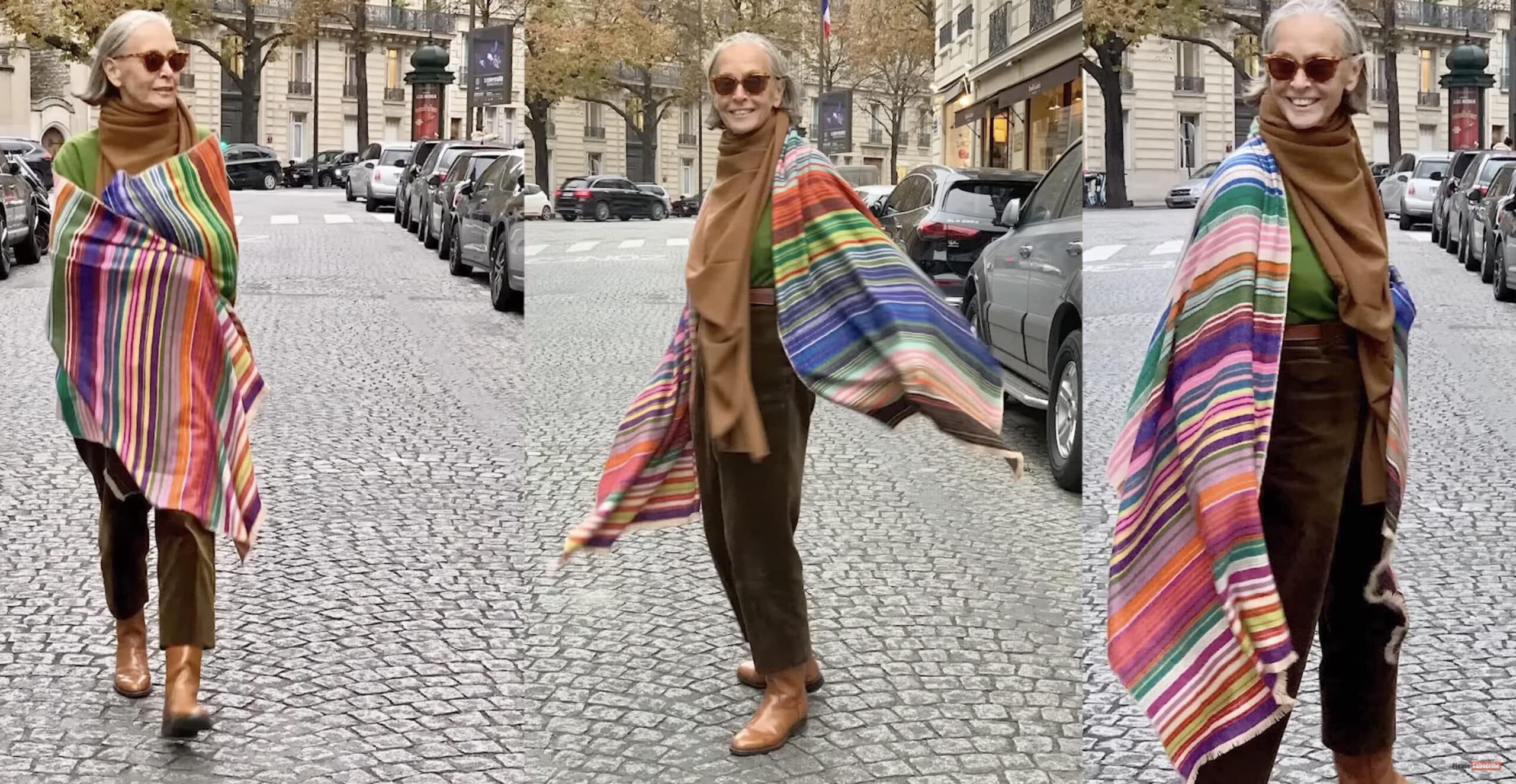
In recent years, there has been a noticeable shift towards embracing age diversity within the fashion industry. Brands are beginning to recognize that beauty and style are not limited to a specific age group. This change signals a break from the norm, acknowledging that individuals of all ages possess a unique sense of style and vitality. The inclusion of older models in campaigns can create powerful, relatable narratives that resonate with a broader audience.
The Impact of Representation
When brands choose to represent a diverse range of ages, they encourage a cultural shift that promotes self-acceptance and authenticity. This not only empowers older individuals but also inspires younger generations to appreciate the elegance of aging. Seeing models who reflect various life stages can be transformative, shifting consumer perceptions and broadening the definition of beauty that fashion has traditionally upheld.
Notable Brands Leading the Change
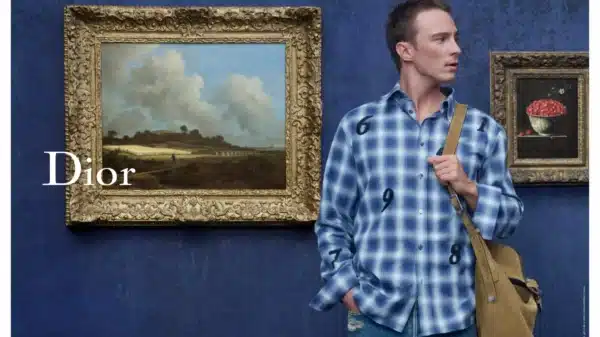
Several brands have taken the initiative to challenge age norms by showcasing models of various ages. For instance, luxury brands like Dior and Valentino have started to incorporate older models in their runway shows and advertising campaigns. This trend not only highlights the beauty of aging but also serves as a reminder that fashion can be versatile, adaptable, and inclusive.
The Role of Social Media and Influencers
Social media has played a crucial role in fostering a more inclusive approach to age representation. Influencers who proudly display their style, regardless of age, are gaining momentum on platforms such as Instagram. Their impact extends far beyond personal branding; they are creating communities that celebrate age, offering inspiration that defies conventional fashion ageism.
The Future of Fashion: Embracing All Ages
As the conversation surrounding age inclusivity continues to evolve, the future of fashion seems promising. The industry is gradually moving towards a more comprehensive representation of age, understanding that beauty transcends the barriers of youth. By creating spaces that welcome diversity, both brands and consumers are contributing to an inclusive narrative that celebrates every chapter of life.
Conclusion
The fashion industry is on a transformative journey, recognizing the necessity of age diversity in a field that has long favored youth. As brands begin to embrace models of all ages and consumers become more vocal about their desire for representation, the definition of beauty is being redefined. By championing inclusivity, fashion not only enriches its narrative but also paves the way for a more beautiful, diverse, and authentic representation of style. This change is not merely a trend; it is a vital evolution in an industry that will only flourish through the celebration of individual stories and experiences across all ages.