

















Demna, the creative visionary behind Gucci, has never been one to shy away from logistical hurdles. His latest ambition manifested on a Saturday night in the heart of New York City: Times Square. This choice of venue, which Demna admitted was a “crazy idea” that nearly gave him cold feet, served as the backdrop for the house’s first traveling cruise presentation under his direction.
A Bold Take on New York’s Iconic Landscape
The production was a feat of urban coordination. Securing the necessary permits and managing a high-security installation in one of the world’s most congested areas meant the team had to forgo a traditional rehearsal. The 9 p.m. show relied on the energy of the city itself. Demna noted that Times Square functions as a permanent set design, utilizing the massive digital billboards as a ready-made runway backdrop that captures the essence of modern New York.
While Demna previously utilized the New York Stock Exchange for a presentation, his move to Times Square was driven by a desire to explore the symbolic weight of the city. To him, the location represents the moment the Italian luxury house truly transformed into a global icon.
Bridging History with Modern Global Expansion
The choice of New York is deeply rooted in the brand’s heritage. In 1953, the house opened its doors on Fifth Avenue and 58th Street, marking its first major boutique outside of Italy. Demna suggests that the international perception of the brand was forged here rather than in London or Los Angeles. This historical connection was referenced in the show’s invitations—golden keys that nodded to the “Apartamento Gucci,” an exclusive top floor in the original New York store where high-profile clients once accessed a curated world of art, furniture, and fashion.
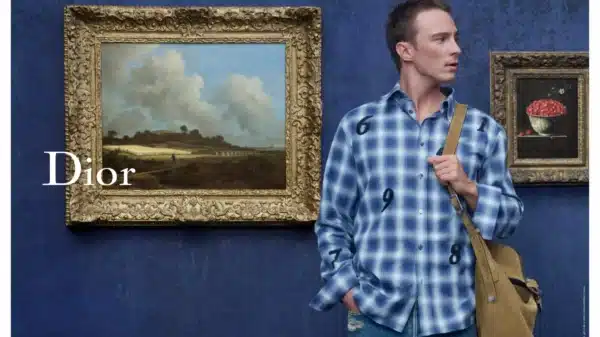
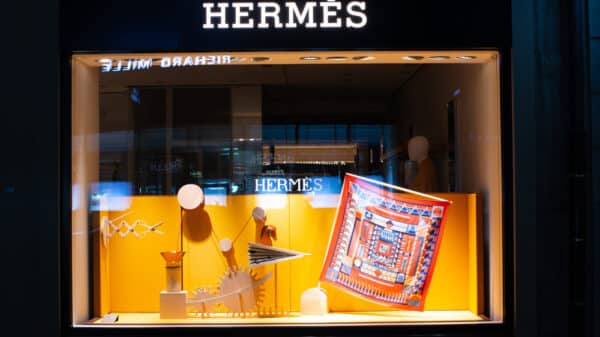
This focus on the American market reflects a broader industry trend. With major luxury houses like Dior, Louis Vuitton, and Hermès all staging significant events in the U.S. recently, the American consumer has reclaimed center stage in the global luxury strategy.
Defining the “Gucciness of Gucci”
The Cruise 2027 collection serves as a culmination of Demna’s ongoing research into the brand’s identity. He described this show as the “climax” of his three-part study: the 1970s classicism seen in his debut, the Tom Ford-inspired aesthetic of pre-fall, and the exploration of sensuality and lightness in the fall collection. By merging these eras, he aims to present a comprehensive vision of what the house represents today.
A significant shift in this collection is the introduction of “Gucci Core.” Demna approached this segment with the mindset of a merchandiser, prioritizing essential wardrobe staples that the brand had previously lacked. This category constitutes 90% of the collection, focusing on high-quality basics like the perfect trench coat, pussy-bow blouses, and cropped leather jackets, while the remaining 10% features more experimental, fashion-forward pieces.
Strategic Growth and the Brand Renaissance
This pragmatic shift aligns with the goals set by Kering leadership. The strategy for the brand’s renaissance involves reinforcing identity through craft and iconic codes rather than over-relying on logos. The objective is to double the contribution of women’s handbags and significantly grow the ready-to-wear and footwear sectors by 2030.
Central to this plan is a rebalanced pricing structure. The brand is anchoring its business with a strong mid-price proposition between 2,000 and 3,000 euros, while elevating its top-tier offerings with premium materials. This approach seeks to clarify the brand’s voice in an overcrowded luxury market where many labels have begun to overlap.
Pragmatism and the New York Character
Demna’s vision for the collection was heavily influenced by the functional style of real New Yorkers. During a two-week stay in the city, he observed the unique dress codes of commuters—such as businessmen pairing formal suits with backpacks—and integrated that pragmatism into the lineup. He sought to create a “movie” of New York characters, where each look felt rooted in reality rather than pure fantasy.
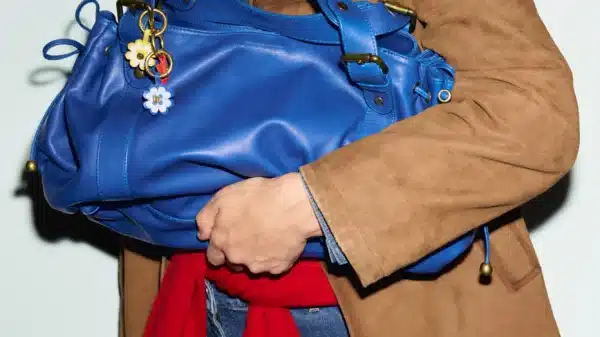
His creative process remains deeply academic. Demna spends significant time during his research weeks scouring through hundreds of photography, art, and architecture books. This intellectual foundation allows him to blend signature codes—such as the bamboo handle, the Jackie bag, and the Flora print—with a modern edge that appeals to a diverse consumer base, ranging from streetwear enthusiasts to high-end couture clients.
Final Thoughts on the Gucci Evolution
The Cruise 2027 show in Times Square marks the completion of a strategic reset for the house. By establishing a “platform” of essential wardrobe pieces and honoring the brand’s historical tie to New York, Demna is now prepared to introduce more personal, design-forward silhouettes. This gradual evolution aims to cleanse the brand’s image and provide a clear, sophisticated vision of modern luxury that resonates across a wide cultural spectrum.