




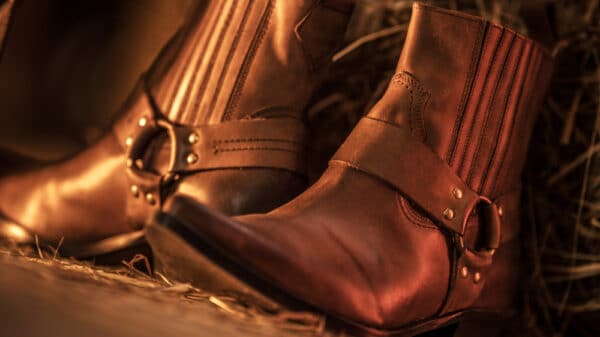









Navigating a typical day usually involves a mix of environments, from transit and office hours to dining out and walking home. Relying on shoes chosen purely for aesthetics can lead to discomfort by midday, while highly technical athletic footwear can feel out of place with standard everyday attire. The ideal middle ground is footwear that bridges personal comfort with your everyday wardrobe, eliminating the need for a single universal style for every occasion. Begin by evaluating your most frequent daily routine, then select a silhouette, color, and build that accommodates it seamlessly. Achieving a smarter everyday look comes down to visual simplicity, featuring a restrained upper, minimal contrast stitching, and subtle branding that pairs effortlessly with standard trousers.
The sole profile is just as critical as the upper material. A pronounced athletic tread immediately reads as sporty, even on an all-black shoe, whereas a low-profile sole appears more understated while still requiring thorough comfort testing. Incorporating leather and suede finishes can instantly elevate casual footwear, lending a more refined character without sacrificing ease. Smooth leather is not universally superior to mesh; individuals walking extensively in warmer climates may prioritize a breathable textile upper and tailor their outfit around its relaxed aesthetic. Reviewing the complete side profile of potential walking shoes offers a much clearer indication of how they will pair with trousers than a standard close-up material shot.
Four Styles Worth Considering
A simple leather trainer provides exceptional versatility, pairing naturally with denim, chinos, and smart-casual office attire. White or off-white iterations create a crisp contrast against darker trousers, while black options offer a more subtle integration, particularly with navy or charcoal. Brown variations complement wardrobes rich in olive, denim, and warmer neutral tones. Keeping the upper design straightforward ensures maximum adaptability, as multiple contrasting panels and colors can overly dominate an outfit. Always test potential footwear with your actual trousers prior to purchasing; a sleek trainer can appear excessively bulky beneath a very narrow hem, whereas a straighter leg often balances the proportions much better.
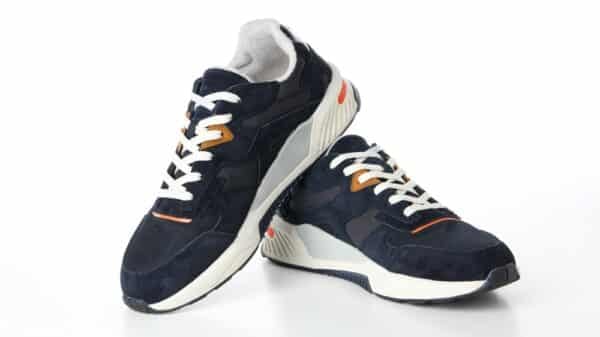
A Suede or Nubuck Style for Softer Textures
Suede and nubuck materials harmonize exceptionally well with corduroy, brushed cotton, knitwear, and denim. Combining dark brown suede with olive chinos and a navy sweater creates a cohesive weekend look, while grey suede pairs seamlessly with black jeans or charcoal trousers without the stark contrast of a white shoe. It is important to evaluate specific care requirements and weatherproofing separately, as the material finish alone does not guarantee performance in persistent rain. For frequent wet-weather commuting, decide whether you are willing to maintain suede or if a different construction would be more practical.
A Restrained Mesh Trainer for Longer Casual Days
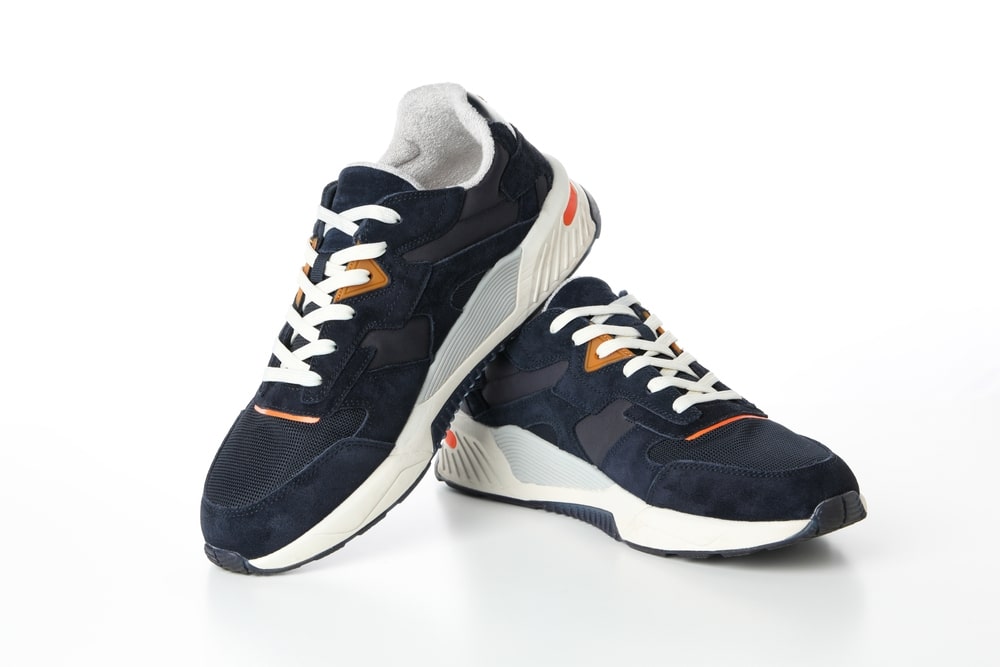
A textile walking shoe can look deliberate and stylish when its color palette connects directly with the rest of your ensemble. Try pairing charcoal or navy mesh styles with straight-leg trousers, a classic T-shirt, and an overshirt. Technical footwear tends to blend in more naturally when the surrounding clothing is relaxed and uncluttered. However, do not assume that every mesh trainer is inherently suited for extended walking; proper fit, heel security, cushioning, and outsole construction remain essential. For sightseeing or days involving heavy walking, let practical necessities guide your footwear choice.
A Walking-Inspired Lace-Up for Relaxed Offices
Certain casual lace-ups merge a clean upper with a cushioned sole and accommodating fit options, effectively bridging the gap between a traditional trainer and conventional casual shoes. These excel in professional environments where chinos, open-collar shirts, and knitwear are already standard. Carefully evaluate how the shoe bends and secures your foot during motion, as a dressier upper does not automatically guarantee proper internal ergonomics. For genuinely formal occasions, a casual walking shoe will still fall outside acceptable dress codes, making a dedicated dress shoe a more practical solution.
Fit Should Set the Shortlist
Because visual appeal is much easier to evaluate than structural fit, proper sizing requires careful, deliberate verification. Have both feet professionally measured while standing and try on shoes later in the day when feet are naturally slightly larger. Wear the socks you typically use and bring any required orthotic inserts. Aim for approximately half an inch, or 13 millimeters, of space beyond your longest toe, and select footwear based on actual fit rather than relying entirely on printed sizing, which frequently fluctuates across different brands. Evaluate width and depth independently to ensure your toes rest naturally without being compressed against the upper material.
If the toe box feels restrictive despite adequate overall length, look for a wider fitting option or an entirely different shoe shape rather than sizing up, which can cause the heel to slip. A clean aesthetic should never require tolerating discomfort, pressure points, or numbness.
Cushioning and Support Need a Walking Test
Simply pressing a thumb into the midsole provides minimal insight into real-world comfort. Walk around in both shoes, make sharp turns, and stand stationary for a period to assess whether the cushioning remains comfortable without causing instability. Confirm that your heel stays locked in place and that the lacing secures the midfoot without applying uncomfortable pressure. If you utilize custom orthotics, test the shoes with those inserts installed rather than assuming they will fit later, as added internal volume alters toe clearance and heel positioning. Match your footwear directly to your walking surfaces, distinguishing between urban pavements and demanding off-road terrain where structured hiking shoes or boots are necessary.
Make the Trousers Work With the Shoe
Trouser length dramatically shifts the overall impression of your footwear. Excess fabric pooling above the shoe creates visual heaviness, whereas a clean hem featuring a minimal break or slight touch of stacking gives the footwear a sharper outline. Pair substantial walking soles with straight or gently tapered trousers rather than restrictive, narrow openings, while slimmer shoes easily accommodate narrower trouser lines. Socks also play an essential role; matching them closely to your trousers establishes a continuous, lengthening visual line. A deliberate contrast works well in casual contexts, provided it feels intentional. Simple combinations like navy chinos, dark brown shoes, and a cream knit, or charcoal trainers with black jeans and an olive overshirt, offer effortless style without requiring a specialized wardrobe.
Buy for Your Routine Rather Than an Imaginary Schedule
Consider where your shoes will genuinely log the most miles, balancing wet urban commutes, indoor workplaces, and weekend excursions. Weather protection, ventilation, and tread traction deserve just as much attention as color when browsing. Prioritize your primary use case over temporary discounts, as a pair you wear comfortably several days a week offers far greater utility than specialty footwear reserved for rare occasions. Always review return policies and test shoes indoors before committing. If persistent discomfort, altered sensation, or recurring minor injuries are impacting your footwear choices, seek professional assessment rather than expecting product descriptions to resolve the issue.
Keep the Pair Looking Presentable
Maintaining clean footwear elevates an ordinary outfit effortlessly. Always adhere to the specific care instructions for your material type, as smooth leather, suede, and mesh require entirely different maintenance methods. Allow footwear to dry naturally at room temperature, avoiding direct artificial heat sources that can distort or warp the materials, and utilize appropriate shoe trees to preserve leather structure. Periodically inspect the linings, fastenings, and outsoles alongside the visible upper to ensure the shoe still supports your foot correctly.
FAQs About Men’s Walking Shoes and Everyday Style
Can walking shoes be worn with a blazer? Yes, when paired with a relaxed blazer, casual trousers, and a restrained shoe design in an environment where casual footwear is already acceptable. Is black the most versatile color option? While black complements darker wardrobes, brown, navy, or off-white frequently integrate more harmoniously with varied everyday clothing.
Are slip-ons suitable for a full day?
Slip-ons can work well if they remain secure during movement without squeezing the forefoot or forcing your toes to grip internally. Should you wear the same pair for both work and travel? This approach works well when your daily activities and dress codes overlap, provided you test the shoes thoroughly on a standard full day before relying on them exclusively for travel.
Selecting footwear that harmonizes style and comfort comes down to choosing designs that integrate naturally into your routine. When shoes fit properly, complement your familiar wardrobe, and remain comfortable past the first hour, they provide effortless wear. By focusing on restrained aesthetics and balanced trouser proportions, you can achieve a sophisticated look while prioritizing the physical support your feet require.