






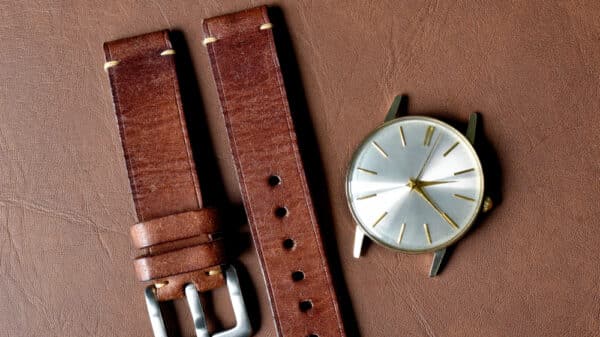









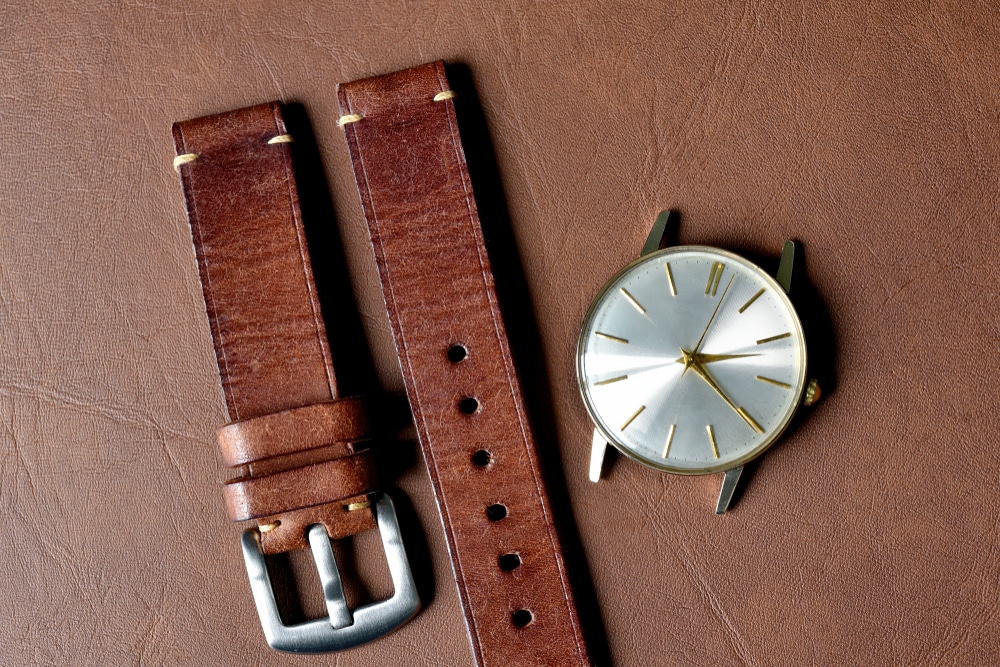
Watch brands can easily describe their ideal strap using a few evocative terms: supple warm leather, subtle stitching, and a refined profile suited for a classic dress watch. However, translating this vision into actionable manufacturing instructions requires a technical language. It is essential to define where measurements begin, specify the exact hardware, and understand how the strap performs once attached to the timepiece. Developing a comprehensive specification sheet that connects the watch case, the clasp, and the wearer is a crucial first step for accurate production.
Start where the strap meets the case
The watch reference must always serve as the foundation of your design process. Provide the manufacturer with precise case drawings or a physical reference sample, highlighting the attachment area, required end shape, and spring-bar setup. Technical teams from both the brand and the maker should collaborate to finalize this geometry before moving forward. Because terms like “width” and “thickness” can be ambiguous, always use clear diagrams with designated dimensions and notes detailing who provided them. Adopting established measuring conventions—such as separating lug widths from buckle widths and properly measuring short sections excluding the buckle—ensures that both parties are aligned on every dimension.
Design the fastening around the intended wearer
Hardware selection requires equal precision. Clearly define whether the buckle is supplied by your brand or sourced by the manufacturer, and reference it with exact technical drawings or physical components. Next, evaluate the target wrist sizes to determine appropriate strap lengths, adjustment-hole placements, and how the buckle rests when fastened. This phase also invites aesthetic considerations regarding the taper and the visibility of the pointed end. Reviewing these elements on an assembled watch ensures that your product manager finalizes a practical configuration while documenting any lingering design questions.
Build a specification from a concrete starting point
Using industry examples, such as standardized two-piece leather strap designs featuring folded-edge construction and padded centers, can provide a helpful baseline for your project. While baseline dimensions offer a starting point, they must be tailored to your specific watch design. When initiating discussions with an atelier, focus on three core areas: confirming compatibility with your specific watch case and buckle, establishing correct lengths and adjustment points for your target demographic, and defining aesthetic choices such as leather types, colors, stitching details, and underside branding placement through visual mockups.
Give materials their own questions
Selecting a color swatch is only the beginning of material specification. Brands should request to review outer leathers and linings together while explicitly documenting desired finishes, textures, stitching styles, and edge treatments. Rather than relying on a simple swatch approval, define your performance expectations in practical terms—such as evaluating color transfer, durability under repeated fastening, and lining wear. Establish clear assessment criteria with your manufacturer before evaluating physical samples to ensure material integrity matches design expectations.
Let the logo proof answer the branding question
Underside branding requires precise art files detailing size, orientation, and placement relative to stitching lines. Reviewing these details through a dedicated mockup keeps branding separate from structural evaluations like case fit and wearer comfort. Before requesting your first physical sample, compile all necessary assets—including case and buckle references, annotated technical drawings, material selections, and branding artwork—alongside any remaining questions for the atelier. This ensures the manufacturer has a comprehensive brief to build an accurate and successful prototype.
Conclusion: Commissioning a custom leather watch strap requires bridging the gap between aesthetic vision and technical precision. By thoroughly documenting case dimensions, hardware specifications, wearer ergonomics, material performance, and branding elements from the outset, watch brands can streamline the sampling process and ensure the final product meets both quality and design standards.